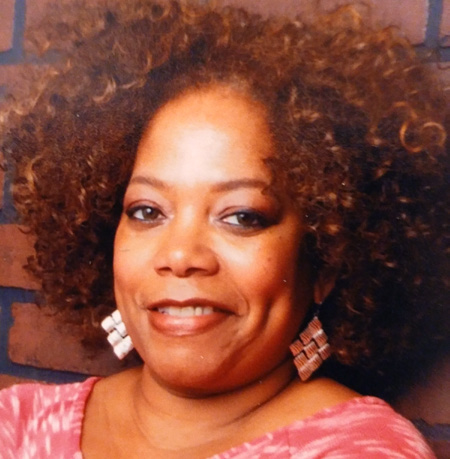
by JACKIE MCNAIR
“Praise be to the God and Father of our Lord Jesus Christ, the Father of our Lord Jesus Christ, the Father of compassion and the God of all comfort, who comforts us in all our troubles, so that we can comfort those in any trouble with the comfort we ourselves receive from God.” 1 Corinthians 1:2-4
When our young daughter received a diagnosis of autism at the age of two and a half years old, it was the first time I had even heard of the word. That was over 25 years ago, and written information about it was not readily available. At that time, I did not know anyone who was autistic, nor had I met a parent who had a child with autism. Not knowingly, that is.
I felt lost, frightened, alone, grieved, and wondered what would happen to my child if something were to happen to me. With nowhere to turn, I searched the phone book (that was over 20 years ago) and found an agency that offered support to individuals with developmental delays and their families. They encouraged me to apply to a program called Partners in Policymaking, which offered leadership training for adults with disabilities and parents of children with disabilities.
Nine months later, after graduating from Partners, I was different from when I started. Though the pain of hearing that my daughter will have a lifelong disability and requires support will never go away, the knowledge I gained from meeting adults living with disabilities and other families like mine was invaluable. Information that speakers shared about resources, the importance of community involvement, and connecting with legislators offered me hope and strength to fight on.
Afterward, my career path changed. I have aimed to be the supportive person I needed when a team of medical professionals diagnosed our child with a developmental disability. Mentoring other parents and families became my lifelong calling. My career changed, and I never looked back. My work in training and advocating has given me courage and strength along my own personal journey.
If you are a parent of a child or adult with disabilities, you may feel as though you have nothing to offer to others. You may be asking, what do I have to give?
To begin with, you are walking in similar shoes and can offer comfort. Just knowing that someone else understands what it feels like can bring comfort and hope to another parent.
Understanding and Empathy. The ability to demonstrate awareness of another’s feelings and concerns can help another feel valued and acknowledged.
Listening. Allowing a parent or individual to express their feelings and feel heard without judgment can promote healing and confidence.
Just knowing that someone else understands what it feels like can bring comfort and hope to another parent.
Guidance. Sharing information about resources and supports that you know of can encourage community connections and growth for individuals with disabilities and their families.
“Do all the good you can, by all the means you can, in all the ways you can, in all the places you can, at all the times you can, to all the people you can, as long as ever you can.” John Wesley
Relationship Building. Individuals with disabilities and their families may find it challenging to develop natural support beyond their immediate family. Developing friendships with others can encourage lifelong connections and engagement in activities and strengthen another person’s relationship circle.
Experiencing life with my daughter has given my life purpose and meaning beyond anything I could have imagined. My chosen field of mentoring has allowed me to share my knowledge with others, but I have received more: lifelong friendships, courage, faith, confidence, and self-empowerment.
As we celebrate International Women’s Day on March 8th, may you use your God-given talents to inspire others who need you.
With Love and Empowerment, Jackie
Jackie McNair and her husband are parents of a 29-year-old daughter, who lives with autism and an intellectual disability, and a 31-year-old son. She coaches and trains parents in creating meaningful life plans by establishing successful transition plans for school children with disabilities into adult life. More about Jackie in Substack Newsletter, Beyond the IEP, https://substack.com/@beyondtheiep